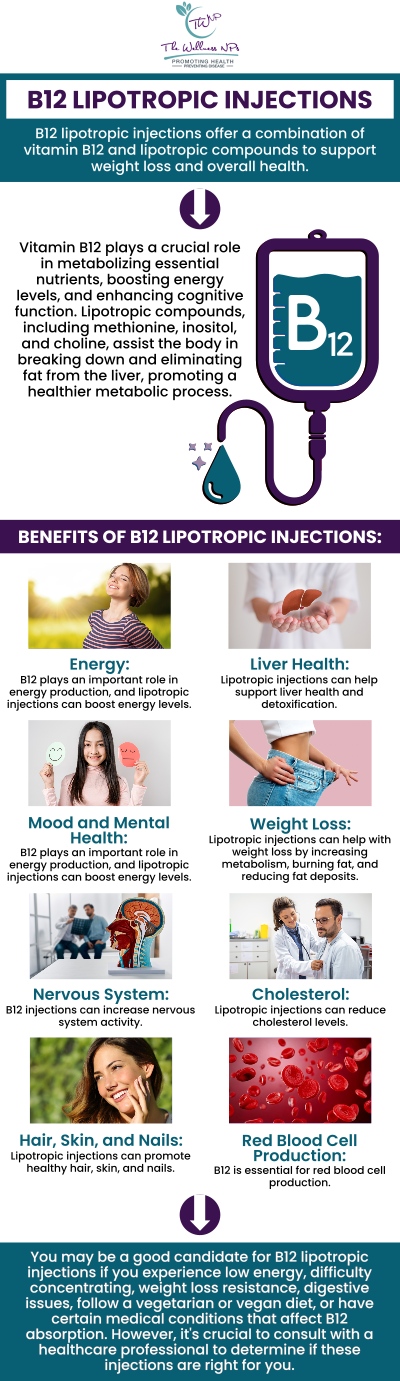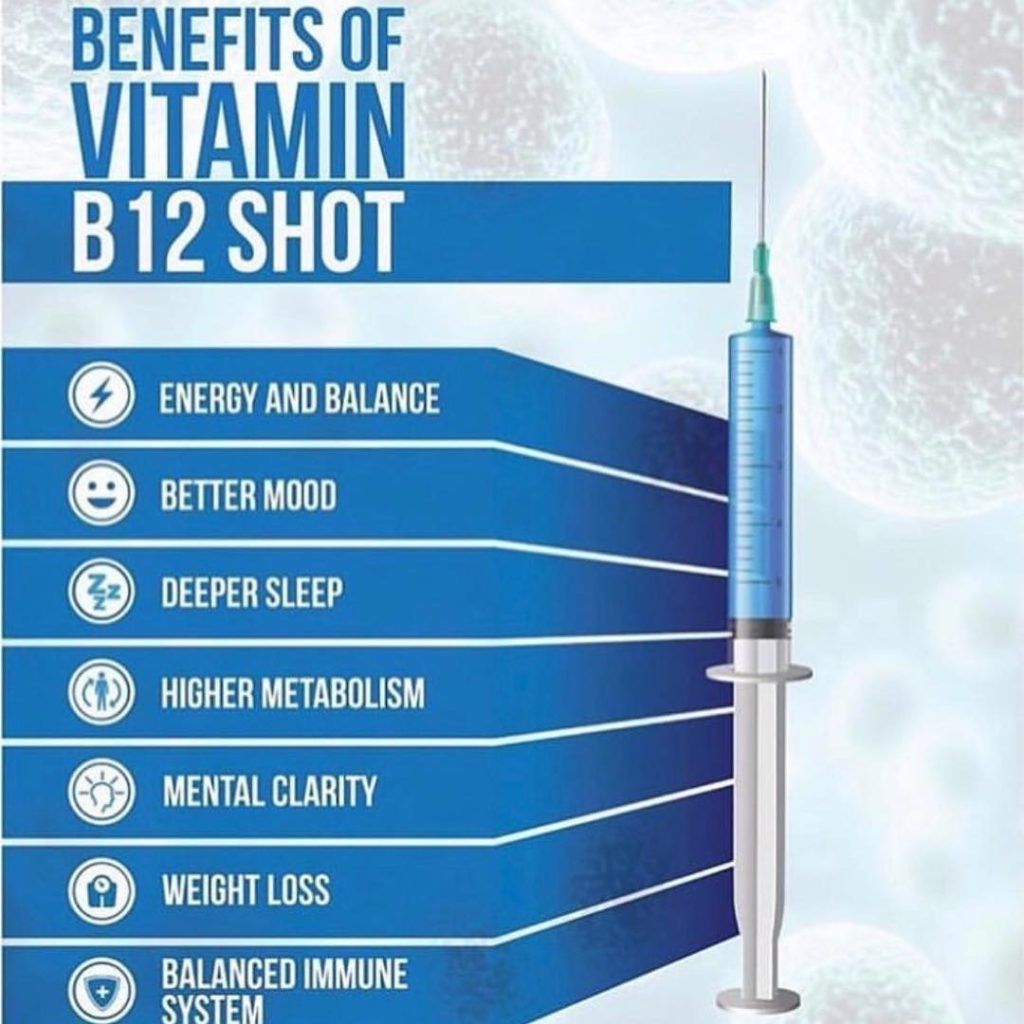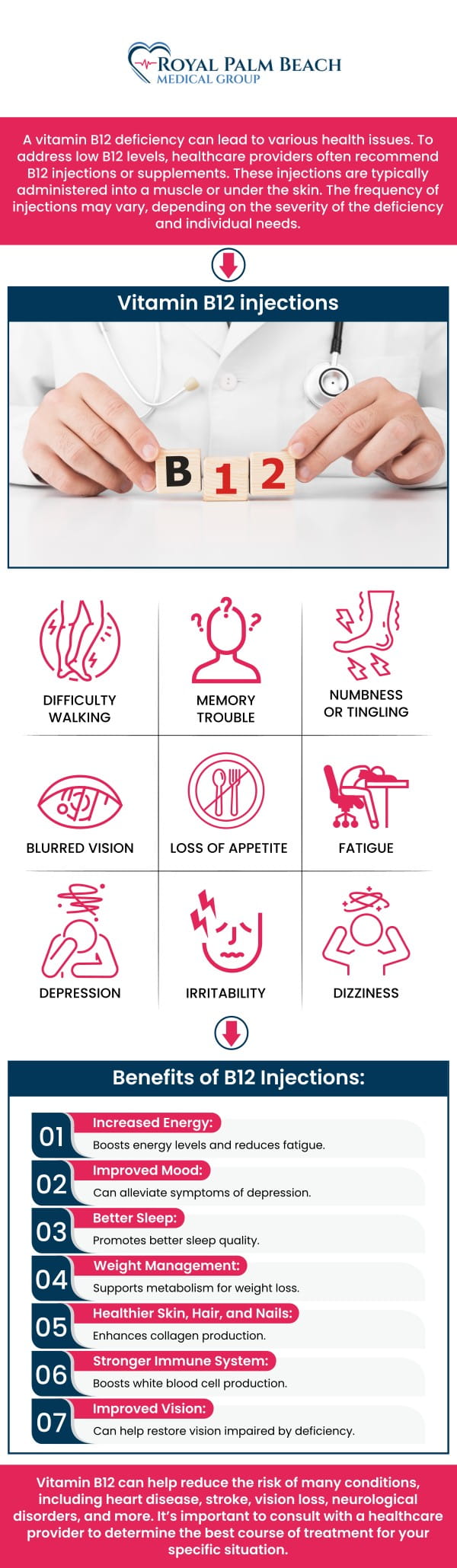
B12 is known to play a key role in numerous functions in the body, including (but not limited to): DNA and red blood cell formation Maintaining a healthy metabolism and digestion Synthesis of neurotransmitters and hormones Energy production Nerve cell health Gene and enzyme regulation Athletic prep or recovery Vitamin B12 shots may also help reduce the risk of the following conditions: heart disease, neurological function, stroke, cognitive functions such as thinking and memory, problems with fertility, and neural tube defects in children born to parents with a vitamin B12 deficiency
Boost Your Immune Function : Vitamin B12 supports a healthy immune system
It also boosts VEGF (vascular endothelial growth factor), improving blood flow and nutrient delivery to active follicles
Common side effects of B12 injections These B12 effects tend to resolve on their own within a day or two: Injection site reaction, such as mild soreness, redness, or swelling Brief itching or warmth at the injection area A feeling of fullness or pressure in the muscle Mild headache or nausea shortly after the shot These reactions are typically related to the injection itself, not the vitamin