Beef liver, cooked, pan-fried (3 ounces) Amount in micrograms (mcg): 70.7 mcg Clams (without shells), cooked (3 ounces) Amount in micrograms (mcg): 17 mcg Oysters, eastern, wild, cooked (3 ounces) Amount in micrograms (mcg): 14.9 mcg Nutritional yeast, fortified Amount in micrograms (mcg): 8.324 mcg Salmon, Atlantic, cooked (3 ounces) Amount in micrograms (mcg): 2.6 mcg Tuna, light, canned in water (3 ounces) Amount in micrograms (mcg): 2.5 mcg Beef, ground, 85% lean meat (3 ounces) Amount in micrograms (mcg): 2.4 mcg 2% milk, 1 cup Amount in micrograms (mcg): 1.3 mcg Yogurt, plain, fat free (6 ounces) Amount in micrograms (mcg): 1 mcg Breakfast cereal fortified with 25% of daily value Amount in micrograms (mcg): 0.6 mcg Cheddar cheese (1.5 ounces) Amount in micrograms (mcg): 0.5 mcg 1 large egg, whole, cooked Amount in micrograms (mcg): 0.5 mcg Turkey, breast meat, roasted (3 ounces) Amount in micrograms (mcg): 0.3 mcg Vitamin B12 Overdose: Key Takeaways Vitamin B12 is a crucial nutrient that supports a variety of important bodily functions, including red blood cell formation, neurological health, and DNA synthesis

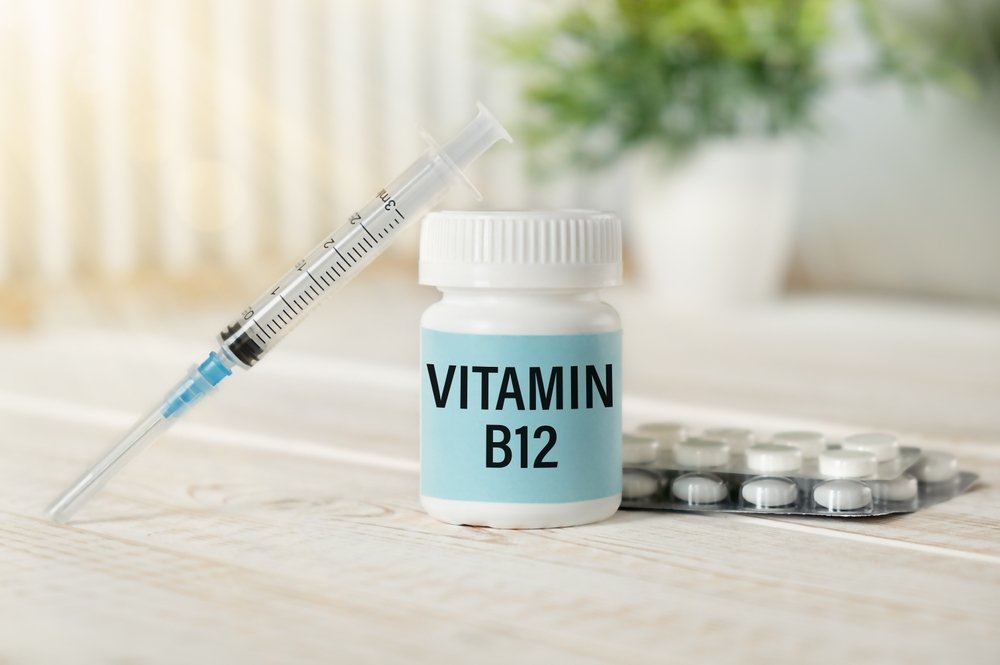
Injectable vitamin B12 allows direct absorption and is commonly used by individuals with low or deficient B12 levels or those seeking an alternative to oral supplementation
Steady use stops daily crashes and mood swings
Folic acid doesnt necessarily increase your B12 levels in the blood