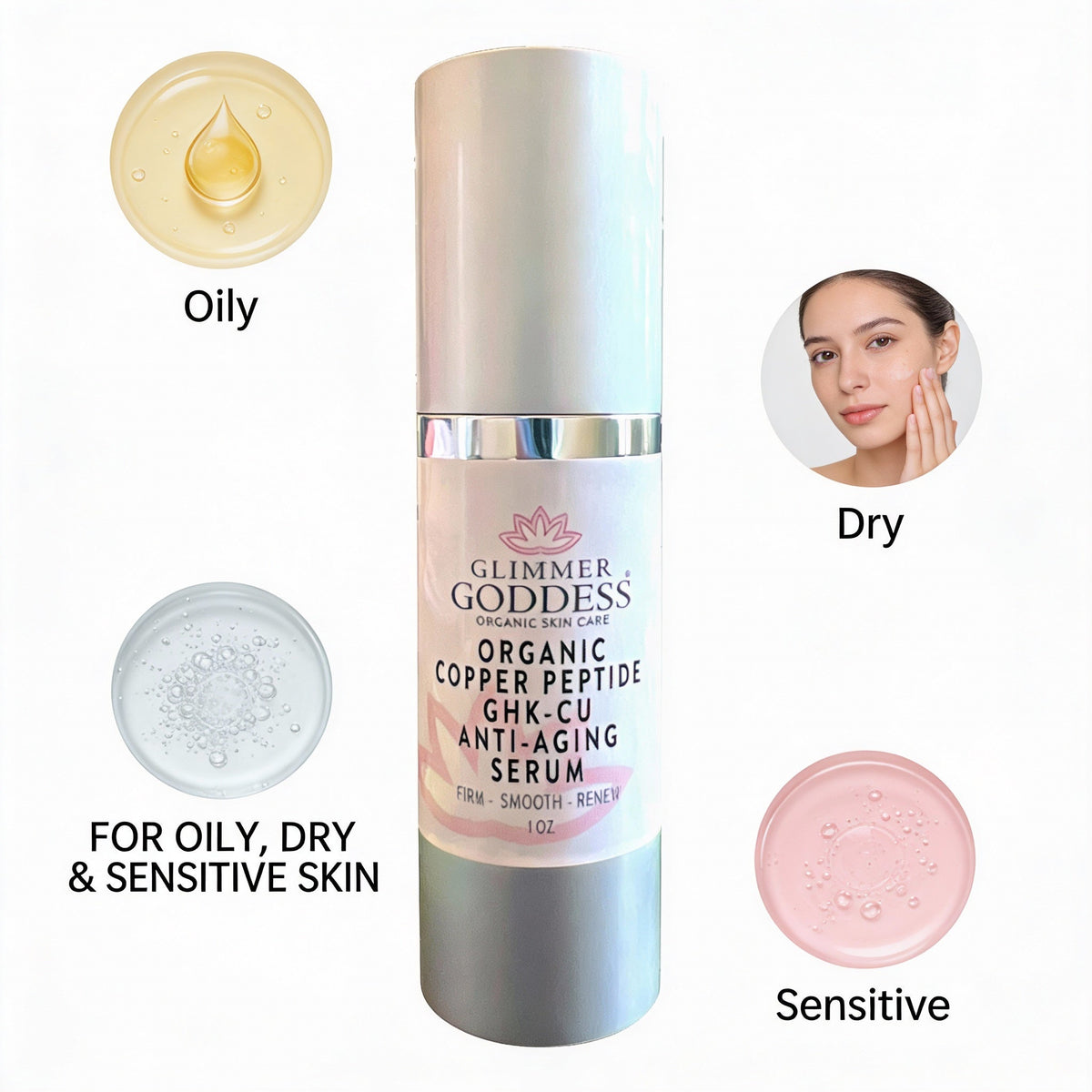
A critical editorial note: affects 31% of human genes does not mean improves 31% of human genes. The Connectivity Map analysis measures gene expression changes in cell lines treated with GHK-Cu in vitro
However, as reassuring as all of this is, there are a couple of things to remain mindful of: Copper toxicity Because GHK-Cu contains copper, it does pose a potential risk of copper toxicity,12 the symptoms of which include abdominal pain, vomiting, chest pain, chills, cough, fever, general weakness, anemia, burning sensations, tremors, and a metallic taste in the mouth.13 The risk is small, as the concentrations of copper in the peptide are typically well within safe parameters, but its good to be aware of it

Cagrilintide vs tirzepatide (Mounjaro/Zepbound) Mechanism: Cagrilintide: Amylin agonist Tirzepatide: Dual GIP/GLP-1 agonist Both novel approaches Weight loss: Cagrilintide: 10-12% monotherapy Tirzepatide: 15-22% monotherapy Tirzepatide superior as single agent Administration: Both: Weekly subcutaneous injection Both: Similar convenience Side effects: Cagrilintide: Strong GI effects Tirzepatide: Moderate GI effects Similar overall profile Approval status: Cagrilintide: Investigational Tirzepatide: FDA approved Tirzepatide available now Cost (when both available): Likely similar ($1,000-1,500/month) Both premium weight loss options Verdict: Currently, tirzepatide better choice (approved, superior weight loss)
Because MOTS-c enhances insulin-independent glucose uptake, patients with type 1 diabetes or those using exogenous insulin should be monitored carefully to prevent hypoglycemia, though this theoretical risk has not materialized in clinical reports to date