Vol. XVIII · Free shipping $75+ · Read the collection
Feature · Product Review
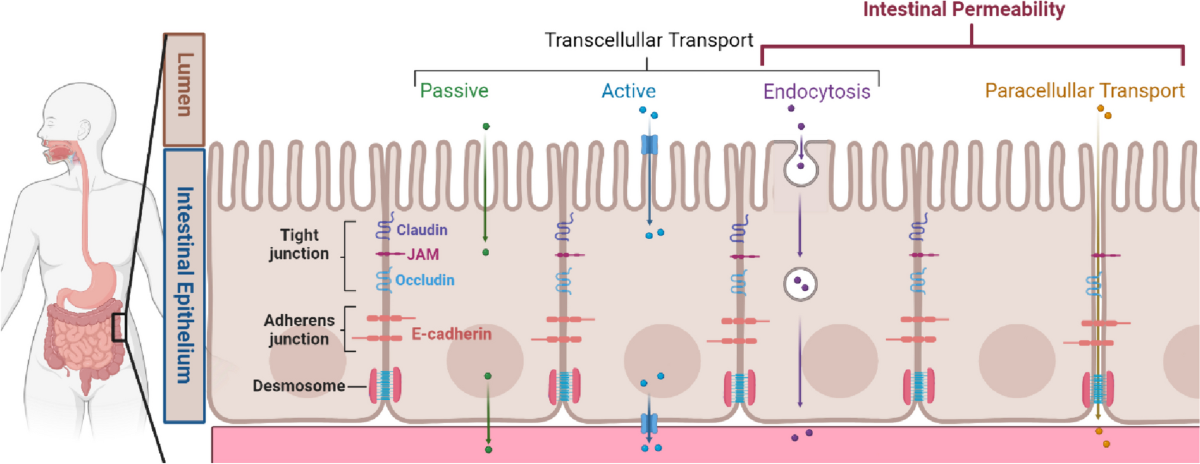
bpc-157 tight junction intestinal permeability

bpc-157 tight junction intestinal permeability as an Investigational Peptide Therapeutic: Biopharmaceutical Challenges, Formulation Strategies, and Translational Development Barriers Postbiotics and Intestinal Permeability –

Postbiotics and Intestinal Permeability InterPlexus Breaking the Barrier: The Role of Gut Epithelial Permeability in the Pathogenesis of Hypertension Current Hypertension Reports Springer Nature Link bpc 157 intestinal permeability tight junction study Stable Gastric Pentadecapeptide Therapy: Effect on Reperfusion Following Maintained Intra Abdominal Hypertension (Grade III and IV) in Rats Frontiers The Role of Frontiers The Influence of Nutrition on Intestinal Permeability and the Microbiome in Health and Disease

SKU: 66150247515 · From clintoncounty708.com

4.2
USD28.07 USD52.07

Pay in 4 interest-free payments of $7.02 Learn more

Shipping Estimate
USA
  • USA
  • CAN

Ships within 48 hours · Estimated delivery Aug 14 - Aug 19

Description

B12 absorption starts in the stomach with something called intrinsic factor (1) and eventually makes its way to the small intestine where it is fully absorbed

bpc-157 tight junction intestinal permeability as an Investigational Peptide Therapeutic: Biopharmaceutical Challenges, Formulation Strategies, and Translational Development Barriers Postbiotics and Intestinal Permeability

Lactation: Risk Summary: Zinc is present in human milk

bpc-157 tight junction intestinal permeability as an Investigational Peptide Therapeutic: Biopharmaceutical Challenges, Formulation Strategies, and Translational Development Barriers Postbiotics and Intestinal Permeability

Mechanism of Action (MOA): Inhibit the DPP-4 enzyme, preventing the breakdown of endogenous GLP-1, leading to: Glucose-dependent insulin secretion Glucose-dependent glucagon secretion Efficacy: HbA1c reduction: 0.6%0.8% Primarily reduces postprandial glucose Common Dosing: Sitagliptin (Januvia): 100 mg once daily (dose adjustment required in renal impairment) Saxagliptin (Onglyza): 5 mg once daily ( dose in renal impairment) Linagliptin (Tradjenta): 5 mg once daily (no renal or hepatic dose adjustment) Alogliptin (Nesina): 25 mg once daily ( dose in renal impairment) Adverse Effects: Generally placebo-like URTI, headache, mild GI upset Advantages: Weight neutral Suitable for patients with renal impairment (with dose adjustment) Well-tolerated Possible -cellsparing effect Disadvantages: Risk of acute pancreatitis Joint pain Saxagliptin & alogliptin: potential risk of heart failure Precautions: History of pancreatitis Not recommended in DKA Not indicated in Type 1 Diabetes Monitor for heart failure (saxagliptin, alogliptin) #DPP4Inhibitors #Type2Diabetes #ClinicalPharmacy #Pharmacology #MedicationSafety #DiabetesCare #Endocrinology #PharmacyEducation #HealthcareProfessionals To view or add a comment, sign in 3,206 followers

bpc-157 tight junction intestinal permeability as an Investigational Peptide Therapeutic: Biopharmaceutical Challenges, Formulation Strategies, and Translational Development Barriers Postbiotics and Intestinal Permeability

and physical therapy (vacuum devices and/or penile traction devices, iontophoresis, extracorporeal shock wave therapy (ESWT), and so on) [9, 10]

bpc-157 tight junction intestinal permeability as an Investigational Peptide Therapeutic: Biopharmaceutical Challenges, Formulation Strategies, and Translational Development Barriers Postbiotics and Intestinal Permeability
Exchange/Return Notes
  • We offer a 30-day return/exchange service after receiving.
  • Final sale items are not eligible for returns or exchanges.
  • To process your return/exchange, please contact us at [email protected]
  • Please click here for more details>>> Return & Exchange Policy

You may also like

L-Carnitine

US$ 28.98

4.6 (10 reviews)

recommand products