This work is supported in part by grants from the National Institutes of Health (R35GM130289 to X.Z and R01GM143158 to X.-C.B.), the Welch Foundation (I-1702 to X.Z
Possible with rapid loss
Lipoprotein receptor-related protein (LRP) also known as LDLR, expressed in neurons, astrocytes, and endothelial cells in the brain functions as a receptor for tPA, mediating MMP upregulation, which in turn can contribute to hemorrhagic transformation from degradation of the neurovascular matrix (Lee et al., 2012)

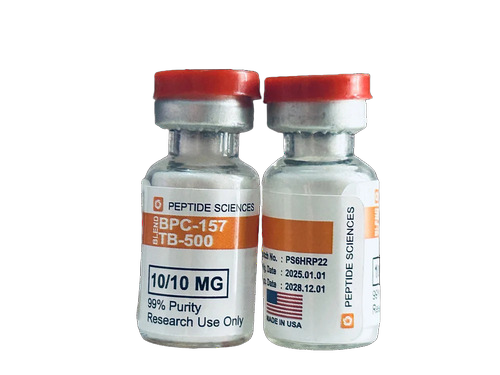
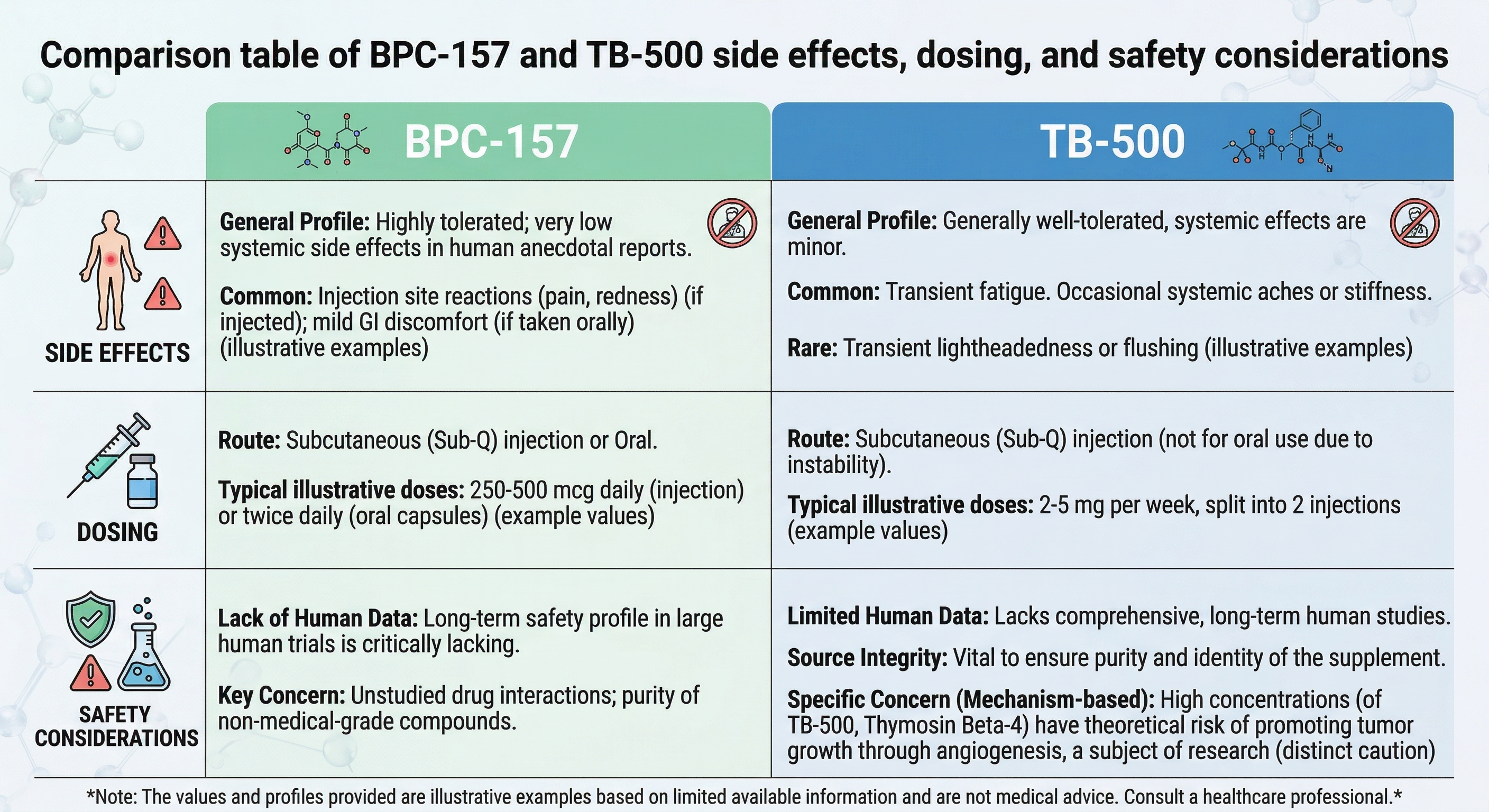
Cognitive Decline and Neurodegenerative Conditions Cognitive decline and neurodegenerative conditions show substantial preclinical evidence across multiple pathologies: Stroke models: BPC-157 given during reperfusion counteracted neuronal damage and produced full functional recovery in spatial memory, motor coordination, and balance tests Parkinsons models: MPTP-induced models showed reduced motor symptoms (tremor, rigidity, akinesia), protection of nigrostriatal dopaminergic neurons, and near-complete prevention of mortality Multiple sclerosis models: Cuprizone-induced demyelination resulted in significantly less brain damage and reduced clinical abnormalities when BPC-157 was given in drinking water or intragastrically Traumatic brain injury: Falling weight model studies demonstrated reduced hemorrhage, decreased brain lacerations and edema, and improved early outcomes These diverse models share common mechanisms