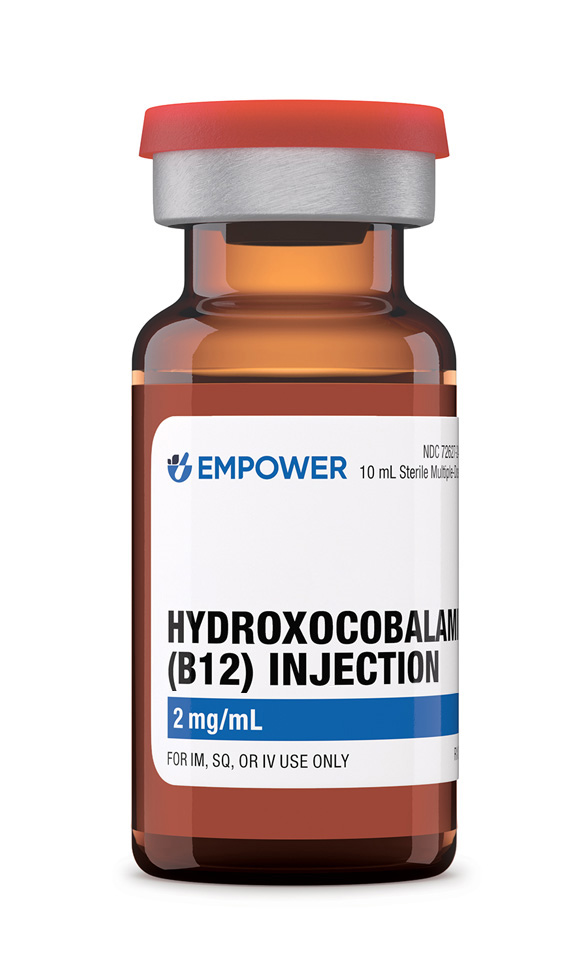
Discard if compromised or contamination is suspected

Key Research Areas for 5-Amino-1MQ NNMT enzyme inhibition assays IC50 characterisation, selectivity profiling, and 1-MNA production quantification NAD+ salvage pathway studies nicotinamide flux, NMN and NAD+ pool modulation in vitro SAM/SAH methyl-donor pathway research epigenetic methylation capacity and histone modification studies Adipocyte biology lipogenesis suppression, adipocyte size, white adipose mass, and lipid storage pathway studies SIRT1 and SIRT3 activation and downstream pathway research insulin sensitivity, gluconeogenesis, mitochondrial function Skeletal muscle function and sarcopenia pathway research muscle strength, endurance, and mitophagy-related studies in aged models Gut microbiome modulation research in diet-induced obesity models Cancer cell biology NNMT-overexpressing cell line studies, anti-proliferative pathway investigations Cardiovascular metabolic pathway research homocysteine, SIRT activity, NF-B and STAT3 inflammatory signalling Comparative NNMT inhibitor studies 5-Amino-1MQ vs
At THE RE/ CLINIC in Sandy, Utah, were here to provide clear, medically informed answers to help you make the best decisions for your health
Synergistic Research Protocols: SS-31 and Beyond In advanced metabolic studies, researchers often combine reagents to investigate synergistic effects on cellular "resurrection." The Mitochondrial Restoration Protocol (SS-31 + NAD+) The combination of SS-31 (Elamipretide) and NAD+ is currently the gold standard for investigating the reversal of age-related mitochondrial decline