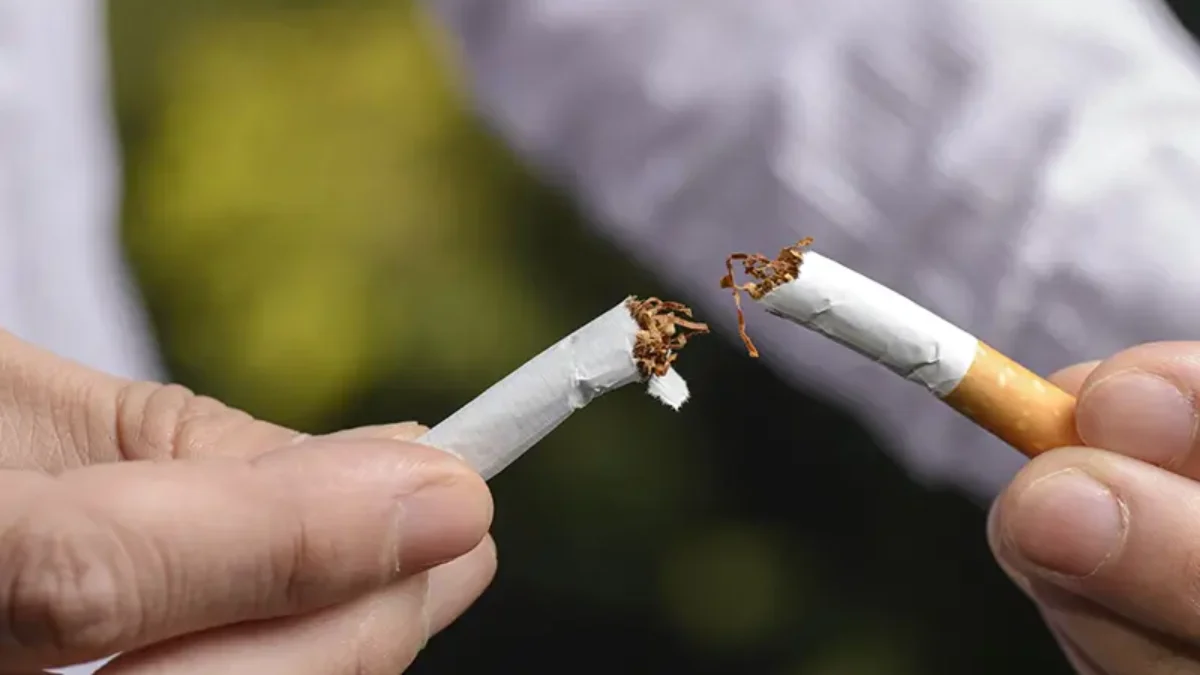
In a world where cigarette branding is heavily regulated and light terminology has been banned in many regions, including Australia, things can get a bit confusing
If adverse effects occur, stop use and seek medical help immediately
An exceptional student, Rogers graduated from high school at age 14, but traded college for considerable community service
Smoking causes increased cellularity of both Alveolar macrophages smoking influences the phenotype of pulmonary macrophages, resulting in more undifferentiated immature monocyte-like macrophages with a reduction in the mature AM surface markers needed for phagocytosis, efferocytosis, cellcell and cell to matrix interaction The increase in the immature macrophages seen in smokers may be due to the influx of monocyte-derived cells from the peripheral blood, with the additional increase due to AM proliferation within the lung.38 Neutrophils may be explained by chemotactic factors generated in the lung Resulting in release of proteases from macrophages and neutrophils smoke evokes an inflammatory cell reaction and that these cells release proteases that overwhelm the antiproteolytic defenses of the lower respiratory tract, Proteinase/anti-proteinase imbalance and tissue destruction one of the causes of smoking-related lung damage is through the imbalance of proteolytic enzymes (proteinases) Smoking tips the balance of proteinase/anti-proteinase release from AMs, contributing to cell death alongside inadequate repair, with elastolysis and connective tissue destruction, all of which are involved in the pathology of emphysema