Smoke Gas Toxicity Irritant Gases Cutaneous Exposure Chemical Pesticides Chemical Weapons of Terrorism Nerve Gases Tabun (G-A) Sarin (G-B) Soman (G-D) VX Novichok Summary of Nerve Gas Toxicity and Treatment Other Toxic Gases and Chemicals Acrolein (CHCHCHO) Ammonia (NH) Arsine (AsH) Arsenic (As) Benzene (CH) Cadmium (Cd) Carbon Disulfide (CS) Carbon Monoxide (CO) Carbon Tetrachloride (CCl) Chlorine Gas (Cl) Chloroform (CHCl) Chromium Cyanide (CN) Dichloromethane (DCM, CHCl) Ethylene Glycol (CHO) Ethylene Oxide (CHO) Formaldehyde (CHO) Formic Acid (CHO) Hexane (CH) Hydrazine (NH) Hydrofluoric Acid (HF) Hydrogen Chloride (HCl) Hydrogen Sulfide (HS) Isocyanates Lead (Pb) Mercury (Hg) Methyl Bromide (CHBr) Methyl Ethyl Ketone (MEK, CHO) Methyl Isocyanate (MIC, CHNCO) Mustard Gas (Sulfur Mustard, HD) Nickel Nitric Oxide (NO) Nitrobenzene (CHNO) Nitrogen Dioxide (NO) Ozone (O) Perchloroethylene (CCl) Phenol Phosgene (COCl) Phosgene Oxime (CX, CClNO) Phosphine (PH) Polychlorinated Biphenyls (PCBs) Styrene (CH) Sulfuric Acid (HSO) Sulfur Dioxide (SO) Tear Gas Toluene (CH) Toluene Diisocyanate (TDI, CHNO) Trichloroethylene (TCE, CHCl) Vinyl Chloride (CHCl) Xylene (CH) Zinc Chloride (ZnCl) Smoke Gas Toxicity Irritant gases can cause tracheitis, bronchitis, and bronchiolitis with hyperemia, bronchospasm, excessive mucus secretion, and edema
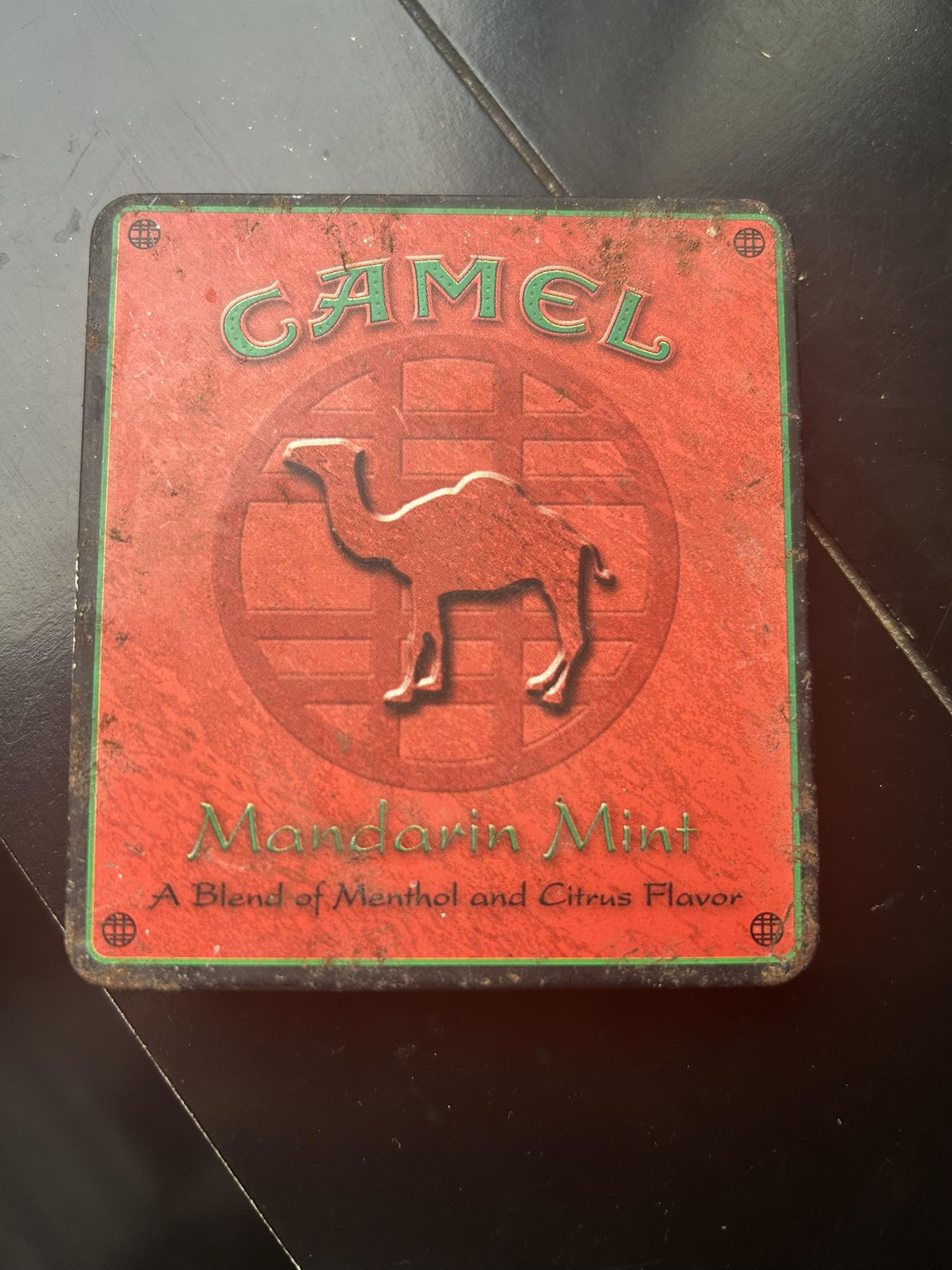
[1] [3] They are also used in acting scenes by performers who are non-smokers, [4] or where anti-smoking legislation prohibits the use of tobacco in public spaces
Together with imported brands and specialty cigarettes, this category represents a small but devoted segment of US adult smokers who prefer something less Burley-heavy than a standard American blend
"This is due to the language of the definition, which includes, quote, any component part of an electronic delivery device