In rat studies, BPC-157 demonstrated healing effects in various colitis models, including cysteamine-induced colitis, improved intestinal anastomosis healing, and promoted closure of gastrointestinal fistulascomplications relevant to Crohn's disease.[4][5][3] The proposed mechanisms include interaction with the nitric oxide system, angiogenic effects, endothelium protection, and modulation of growth factor expression.[1][6] Critical limitations include the lack of published results from controlled human trials, absence of FDA approval, and concerns about products being sold online without regulatory oversight.[2] The peptide was temporarily banned by the World Anti-Doping Agency in 2022, though it is not currently listed as banned.[2] Given these limitations, BPC-157 cannot be recommended as standard therapy for ulcerative colitis or Crohn's disease based on current evidence
10.4414/smw.2017.14421 36 MoherD.LiberatiA.TetzlaffJ.AltmanD
Veterinary practices use peptides, stem cells, and other regenerative therapies
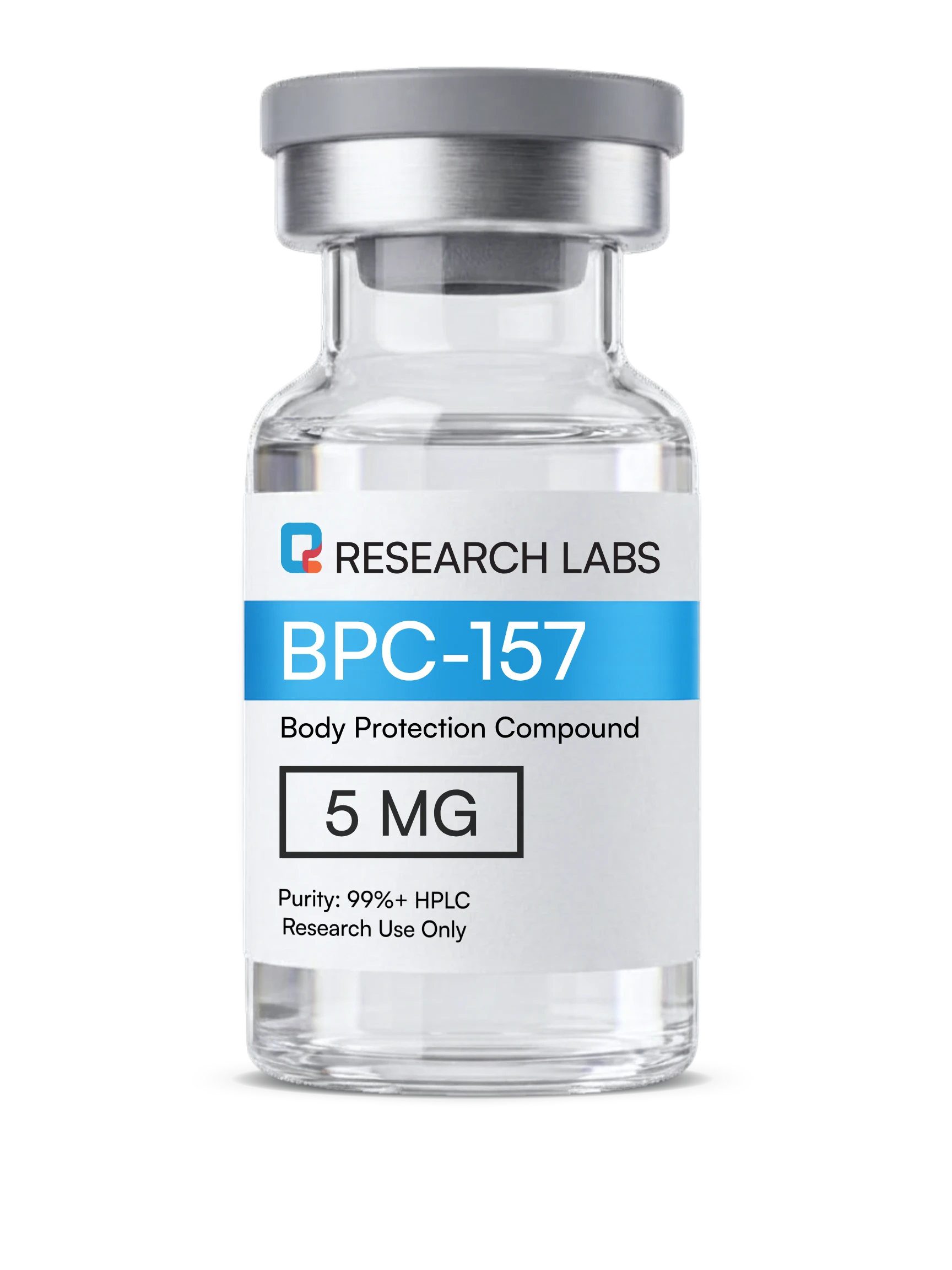
Packaging & storage Contents: 1 vial of BPC-157 5 mg Storage: Store cool and dry (2-8 C), protected from light The product comes as a lyophilized powder